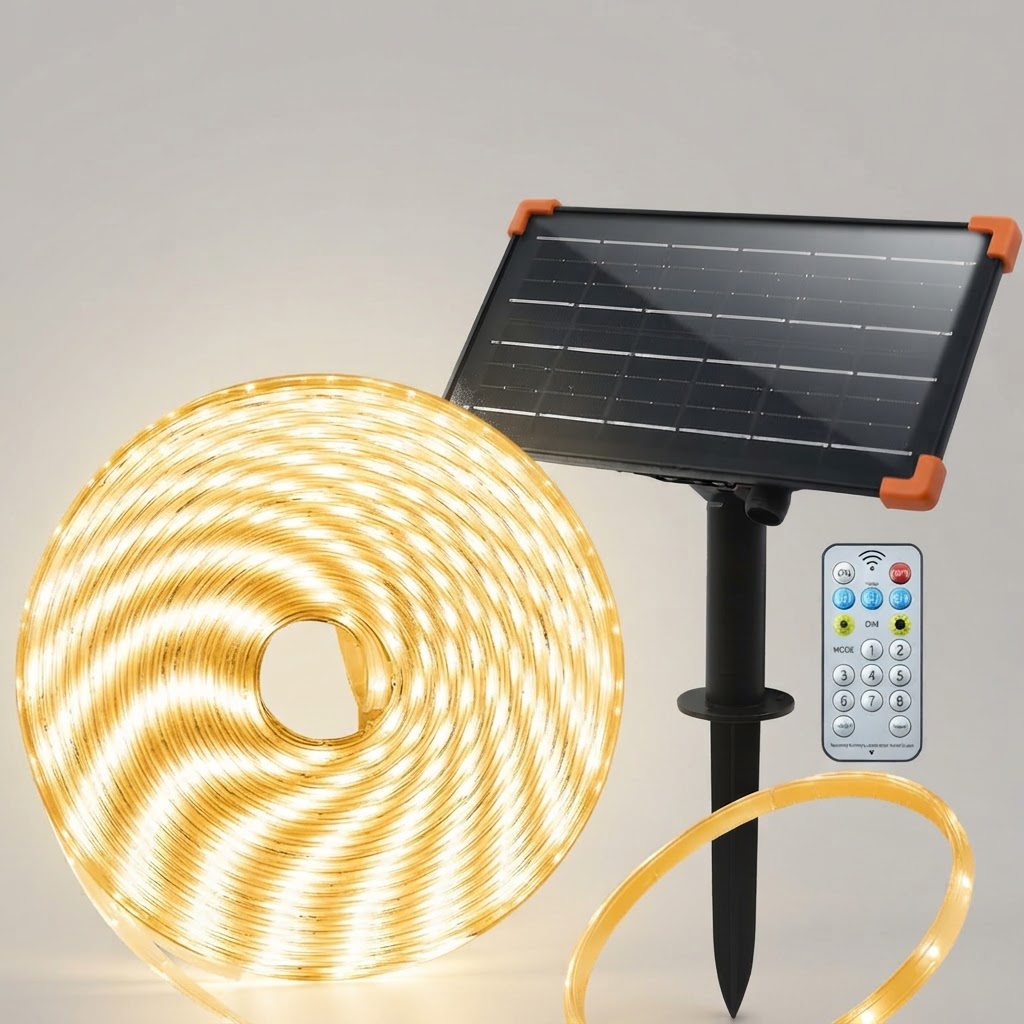
Solar LED Strip Lights vs. Plug-In Outdoor Lights: Comparison
Choosing the right accent lighting for your patio or garden often comes down to two choices: solar-powered strip lights or traditional plug-in fixtures. Reviewing [the main guide] highlights how solar technology has evolved to challenge grid-powered solutions.
Evaluating Outdoor Illumination Options
Installation Flexibility and Cost Differences
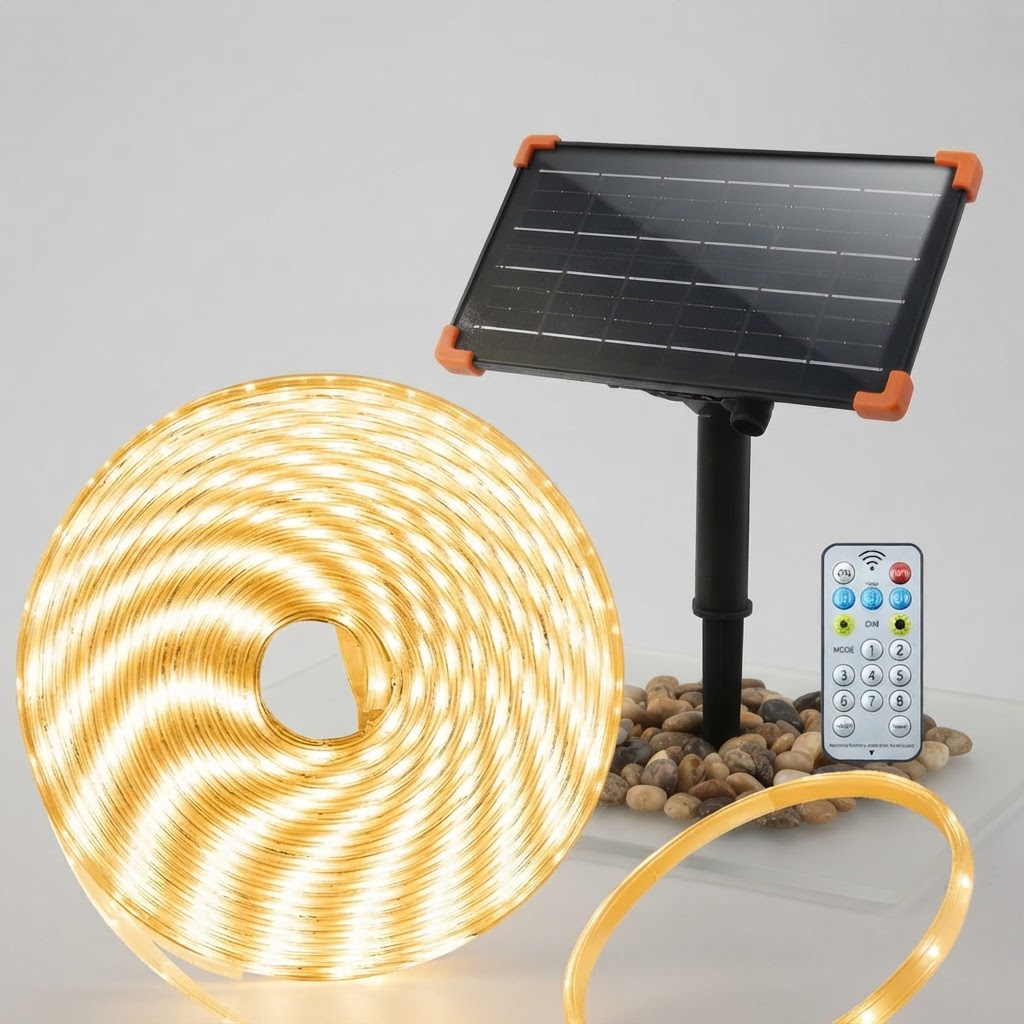
Traditional plug-in strip lights require nearby weatherproof outlets or low-voltage transformers, often limiting placement or necessitating buried cables. In contrast, solar LED strip lights offer total placement freedom. Equipped with a 6.56ft lead wire connecting the strip to a 12.2*14cm solar panel, solar setups eliminate electrical installation fees and ongoing power consumption costs.Weatherproofing and Operating Reliability
Plug-in connections present vulnerable water ingress points at wall outlets and adapter bricks. Modern solar strip lights are wrapped in transparent PVC in all directions, delivering IP68 waterproof protection suitable for rain, snow, or continuous sun. While plug-in options rely entirely on grid power, dual-charging solar strips charge automatically in 6-8 hours of sunlight or can be manually recharged via USB during storm cycles.Daily Maintenance and Control Convenience
Plug-in systems often require manual inline switches or smart plugs. Advanced solar strip packages include a multi-function remote control offering 8 dynamic lighting modes, 3 timer functions, and 4 brightness adjustments, with automated dark-activation providing 10-14 hours of continuous night operation.Final Verdict
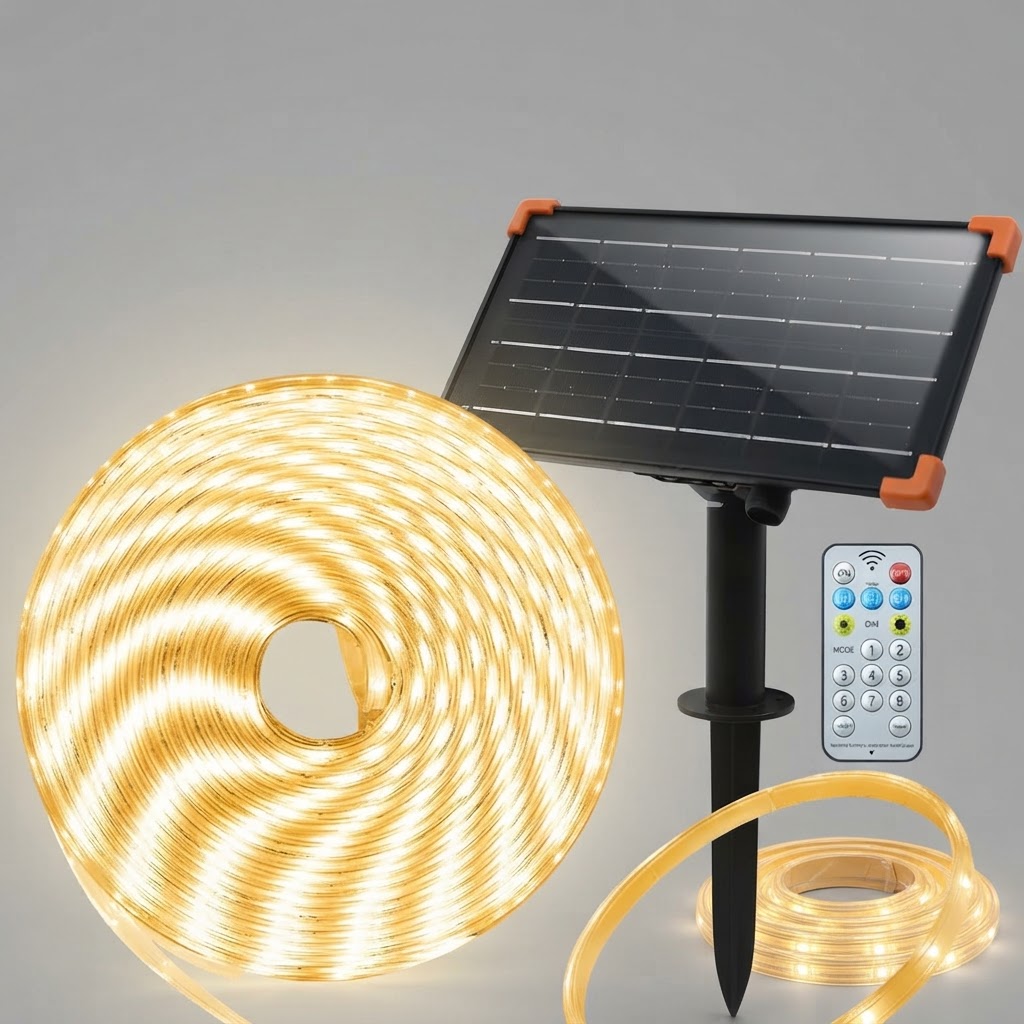
For homeowners seeking effortless installation, zero electricity charges, and complete placement freedom around pools or trees, solar LED strip lights are the superior, hassle-free choice.
Read the full guide: Complete Guide to Solar Powered Outdoor Lighting Ideas for Your Home
cluster-generatorclustermofu